

Autism in Therapy: What Needs to Change Now
1.5 CE Hours APA, NYS
About this Course
Webinar replay of the live clinical conversation on neurodiversity-affirming care with Kory Andreas, Martha Sweezy, and Sarah Bergenfield
$29.99
Course Description: Autism in Therapy: What Needs to Change Now
Webinar replay of the live clinical conversation on neurodiversity-affirming care with Kory Andreas, Martha Sweezy, and Sarah Bergenfield.
Many clinicians have not received formal training in neurodiversity-affirming approaches to autism, resulting in a gap between traditional therapeutic models and the lived experiences of autistic clients.
This 90-minute live webinar brings together leading clinicians for a dynamic, unscripted conversation on how current approaches may fall short, and what needs to change in clinical practice. Participants will explore common areas of misattunement, examine the limitations of pathology-based frameworks, and learn how to shift toward more effective, acceptance-based care. Through case-informed discussion and integrative dialogue, this session will provide actionable strategies clinicians can apply immediately to improve therapeutic outcomes with autistic clients.
Learning Objectives
Identify at least three ways traditional therapeutic approaches may lead to misattunement with autistic clients.
Differentiate between pathology-based and neurodiversity-affirming frameworks in clinical practice.
Apply at least two practical strategies to improve therapeutic alignment with autistic clients.
Describe how internal experiences (e.g., protective responses, parts) may present differently in autistic individuals.
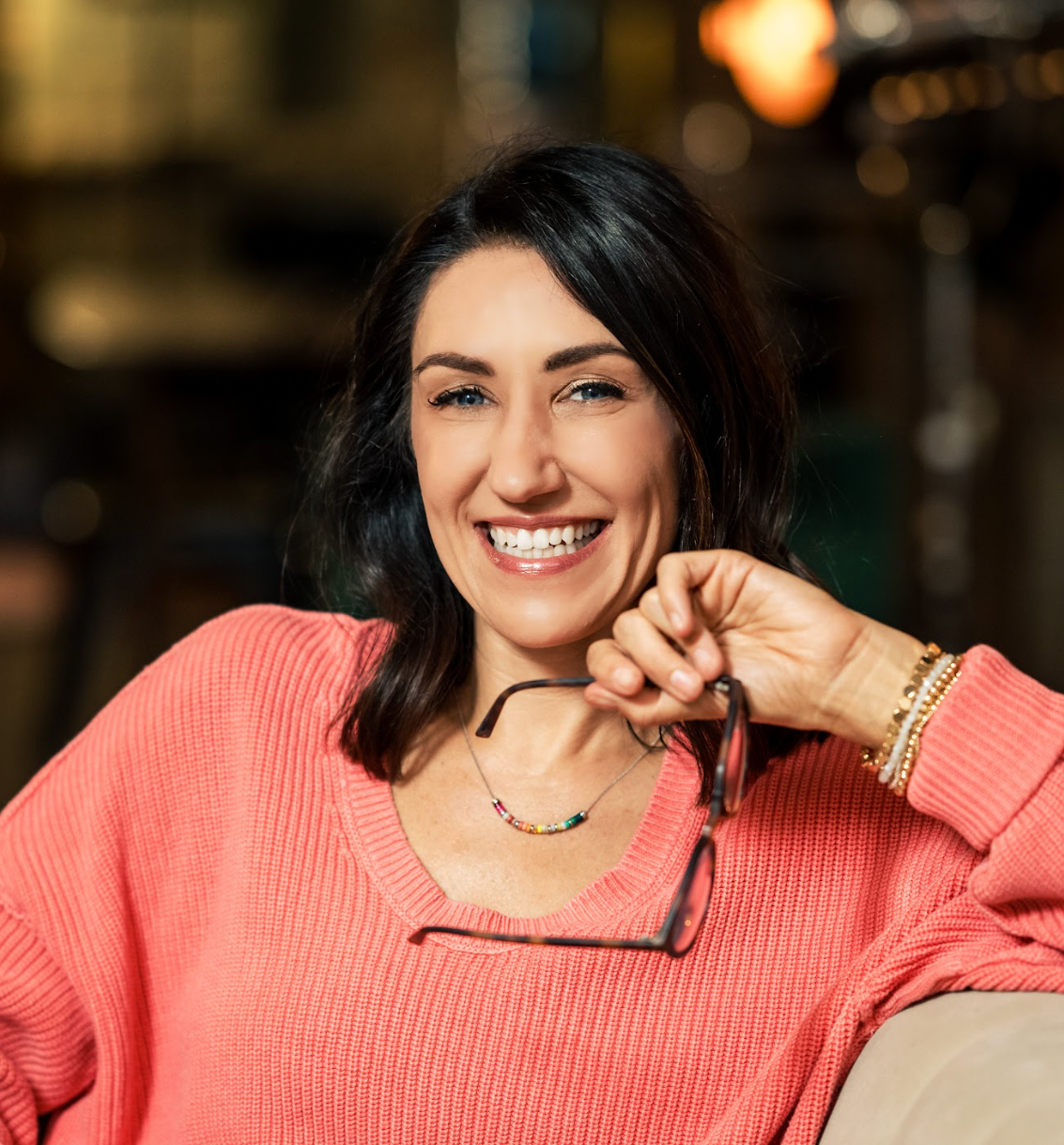
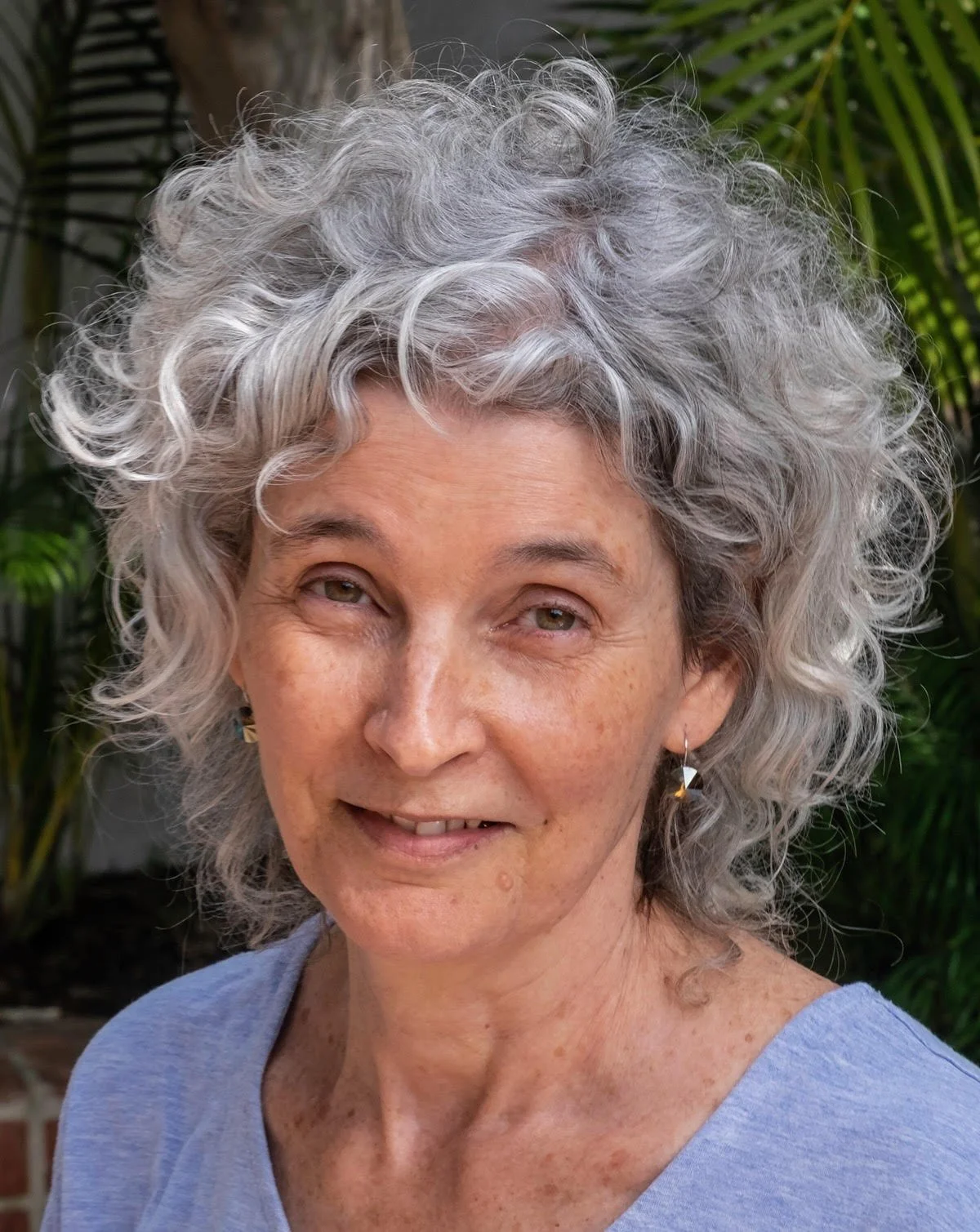
Meet the Instructors

Frequently Asked Questions
-
This course is designed for therapists and mental health professionals who want to deepen their understanding of neurodivergent-affirming care—especially when working with autistic and other neurodivergent adults, including high-masking and late-identified clients.
-
No. The course is appropriate for clinicians who are newer to this work as well as those looking to update their framework and align their clinical approach with neurodivergent-affirming best practices.
-
This course is self-paced and on-demand, so you can complete it on your own schedule.
-
You will learn how to recognize masking and late-identified presentations, understand sensory and nervous system needs, and adapt common psychotherapy approaches to better fit autistic processing. The course also covers practical accommodations for therapy sessions, diagnostic grief (“grelief”), demand-sensitivity (PDA profile), burnout differentiation and recovery planning, and ethical considerations.
Please refer to the course modules above for details on each learning module.
-
The course supports improved clinical recognition and understanding of masking-disrupted presentations, but it is not intended to replace formal diagnostic training or assessment protocols.
-
Yes, you will have continued access to the course materials so you can revisit key concepts and tools as needed.
-
Yes, this course offers 6 continuing education credit hours from APA, NYS, and ASWB.
-
Self-Paced Courses
All purchases are final unless otherwise stated. In limited cases, refund requests may be considered within seven (7) days of purchase, provided the course has not been substantially completed.