
Psychedelic Medicine and IFS Therapy:
Working With Parts From Preparation to Integration
FREE LIVE WEBINAR
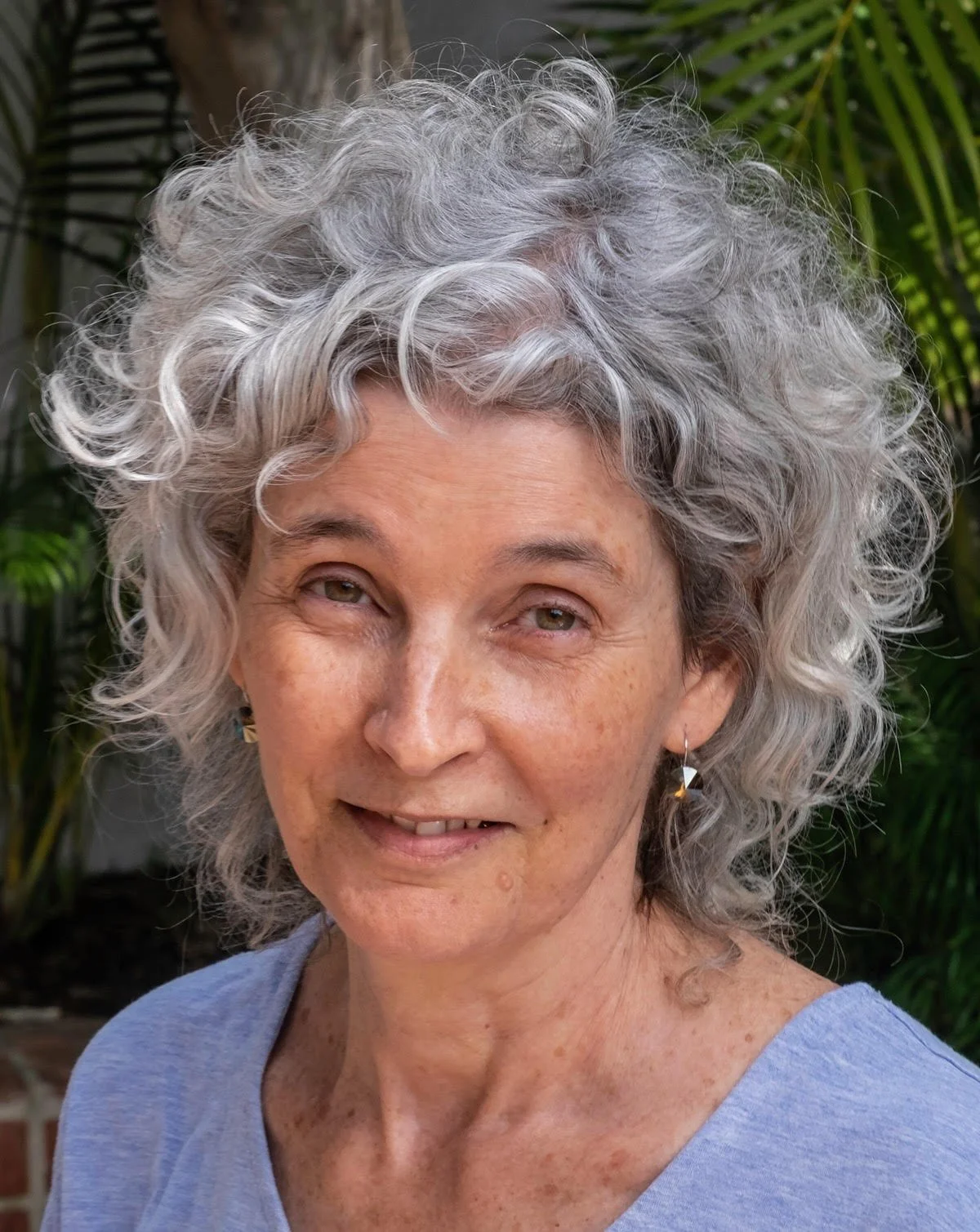
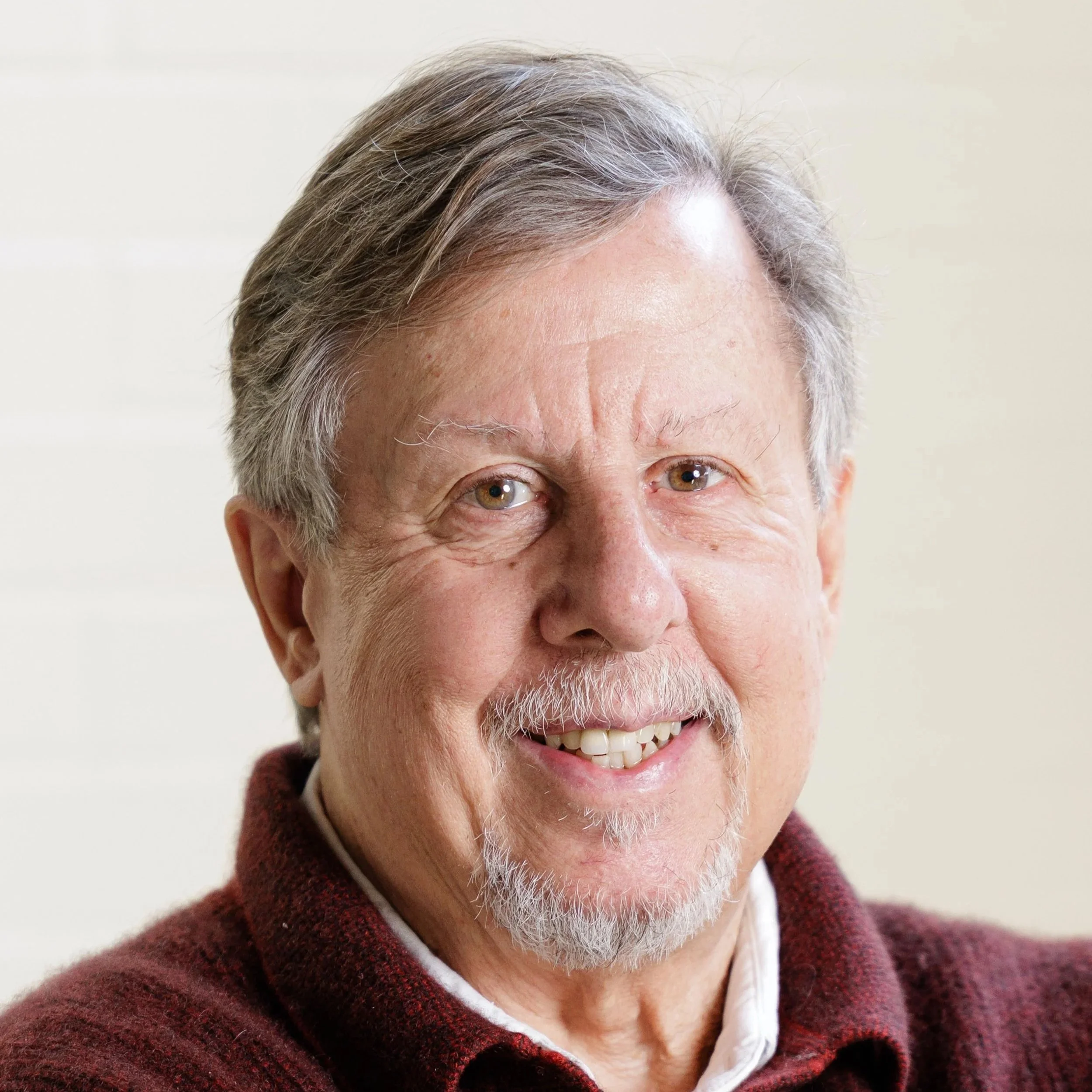
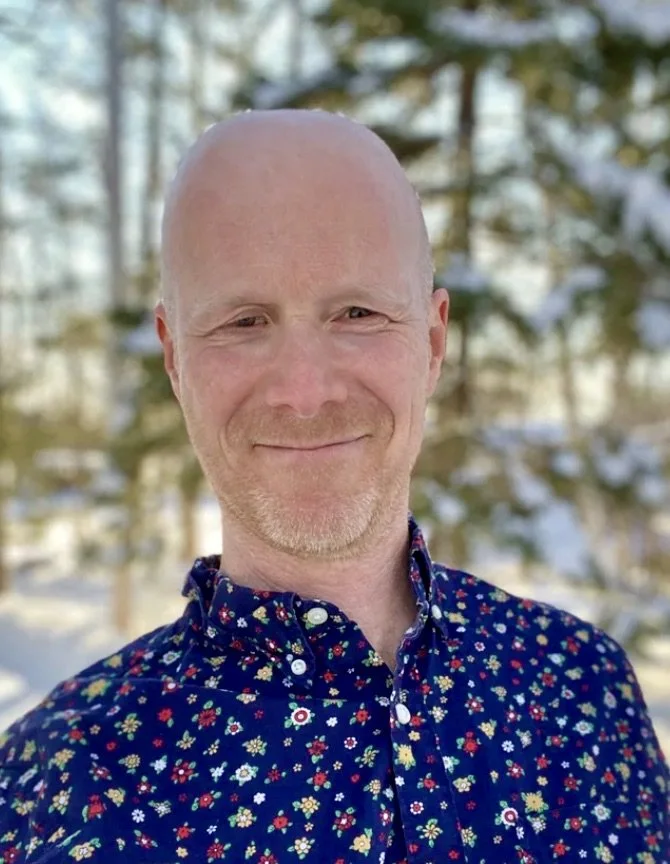
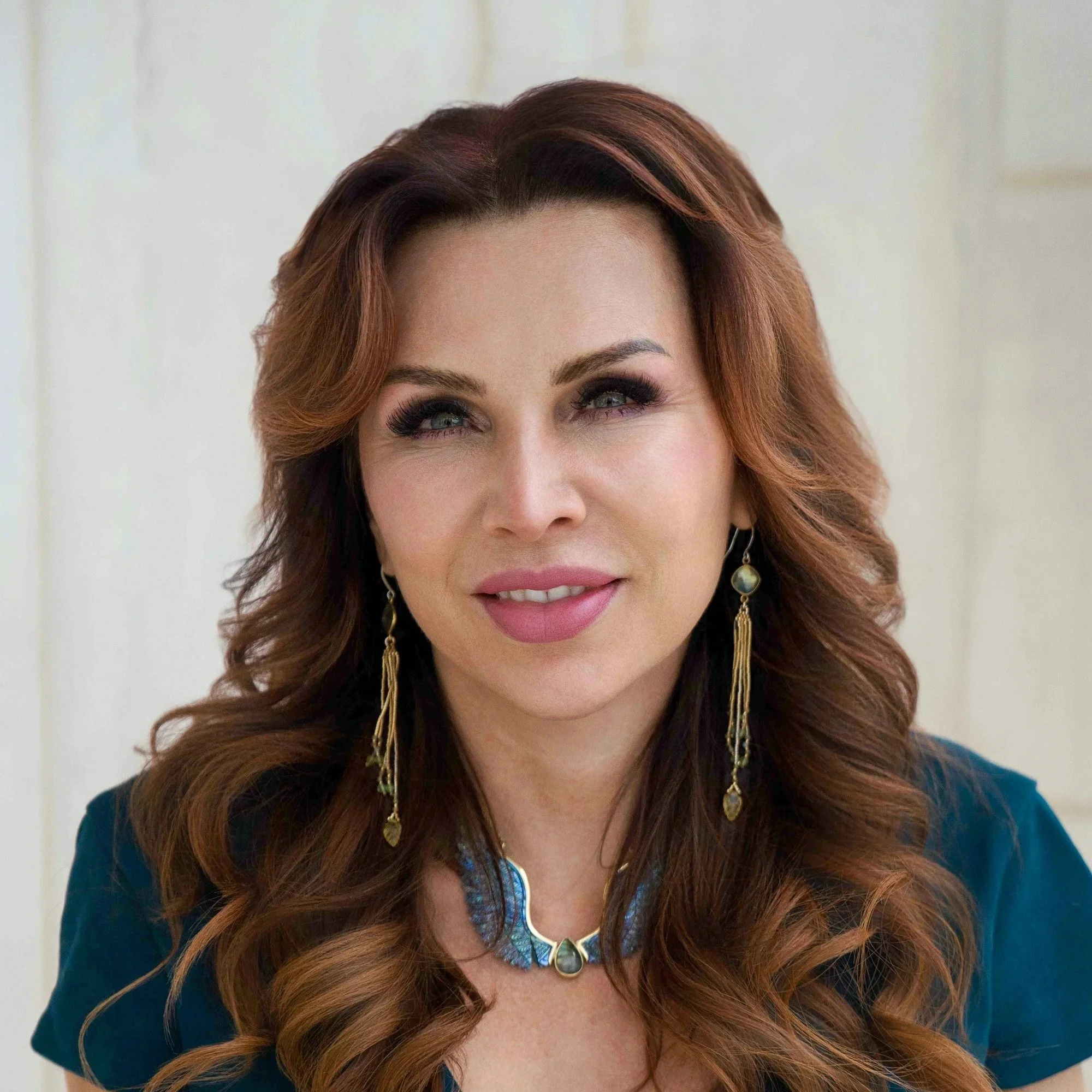
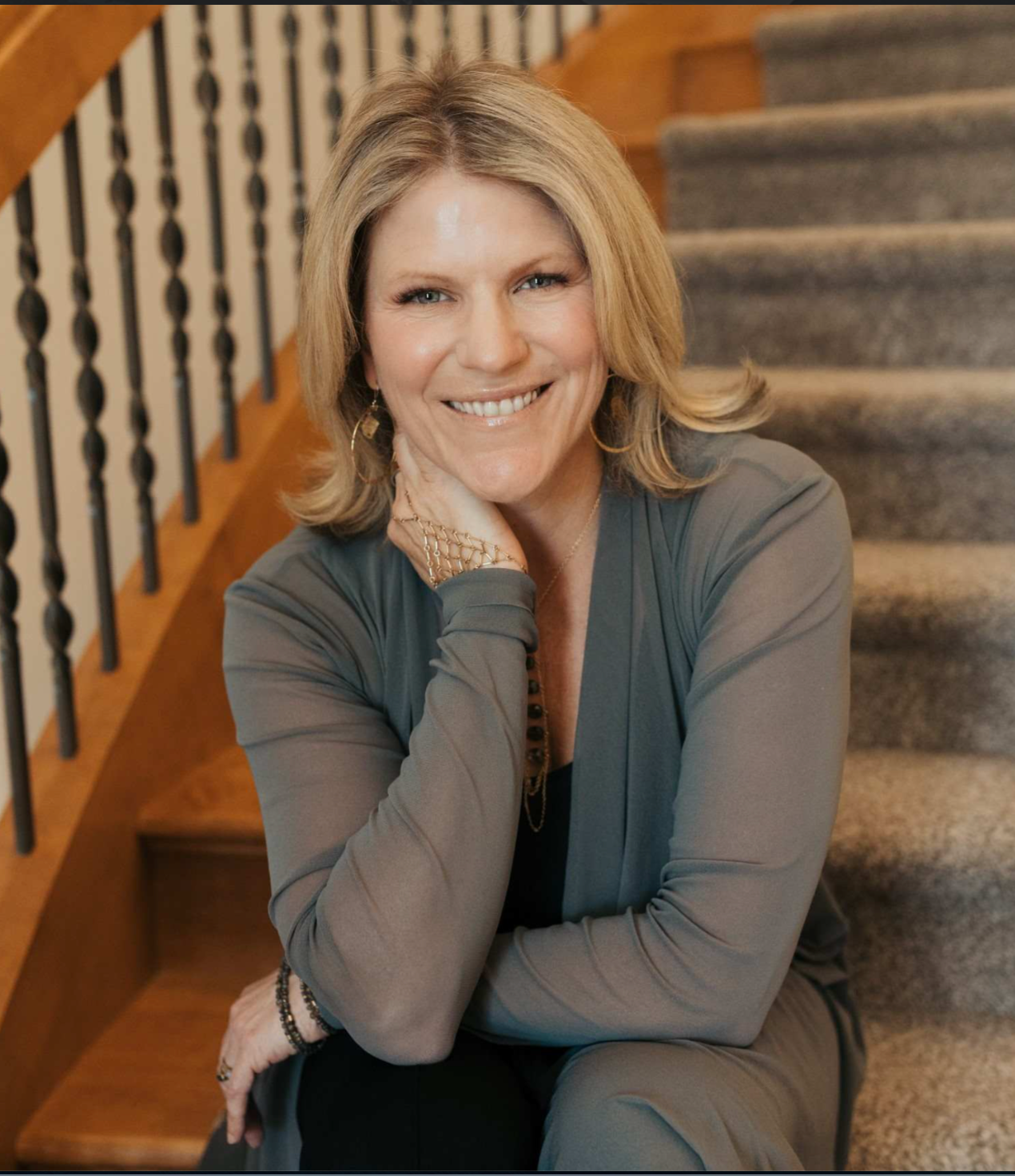
A free, live clinical conversation on working with parts across preparation, psychedelic medicine sessions, and integration with Martha Sweezy, PhD, Richard C. Schwartz, PhD,
David Lovas, MD, and Sunny Strasburg.
Moderated by Chantelle Thomas, PhD.
Fri Nov 6th, 2026
11:30 AM – 1:00 PM EDT
1.5 CE Hours: APA, NYS, ASWB & IFS
What We Explore
Give someone a psychedelic and there's a good chance they'll start talking about their parts. In one MDMA study, 81% of participants described meeting parts of themselves during the medicine session, without anyone prompting them.
Internal Family Systems (IFS) gives clinicians a specific way to work with what shows up. Protectors who brace against the experience. Exiles who surface faster than the system
can handle. And the Self, the calm, curious presence that psychedelic pioneer Stanislav Grof called the inner healing intelligence.
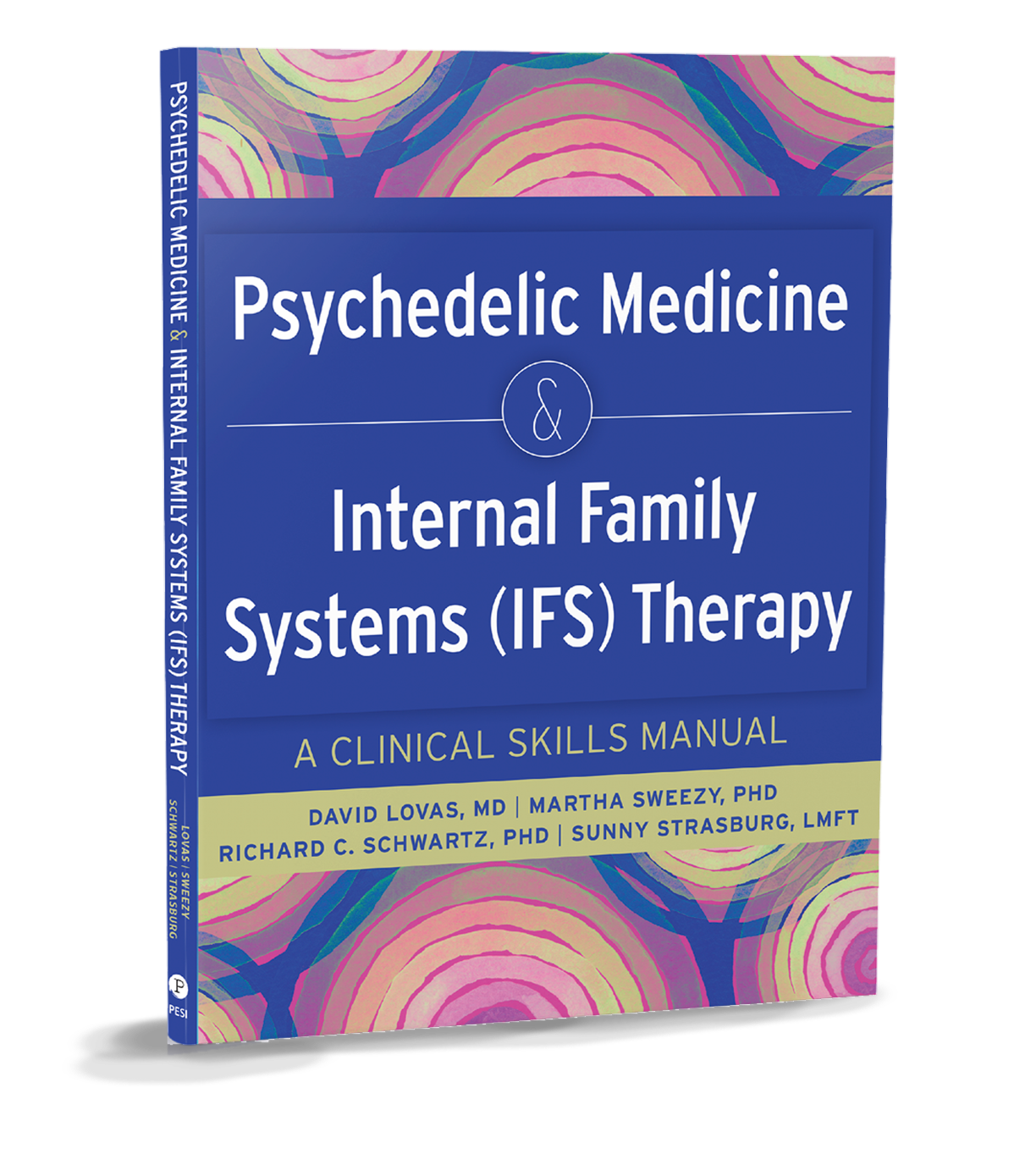
In this 90-minute panel, the four authors of Psychedelic Medicine and Internal Family Systems (IFS) Therapy: A Clinical Skills Manual, Richard Schwartz, Martha Sweezy, David Lovas and Sunny Strasburg, join moderator Chantelle Thomas to walk through IFS-informed psychedelic-assisted therapy one phase at a time.
They cover preparation and set and setting, why it pays to ask protectors for permission before a medicine session, the risks and contraindications of ketamine, MDMA, psilocybin and ayahuasca, and what to do when a client has a hard time afterward.
You'll also try a short parts check-in yourself (no substances involved), so you get a feel for the method from the inside.
The focus is safety, preparation and integration. Nothing in this session trains you to administer psychedelic medicines, and their legal status varies by jurisdiction.
Built for licensed clinicians, whether your clients are already bringing psychedelic experiences into the room or you're deciding whether this work belongs in your practice.
Learning Objectives
✻ Describe the core IFS concepts of parts (managers, firefighters and exiles) and Self, and explain why the multiplicity that surfaces in psychedelic states makes IFS a fit for psychedelic-assisted therapy.
✻ Identify at least 2 IFS-informed preparation strategies, including attention to set and setting and asking protector parts for permission, that lower the risk of adverse reactions and post-session backlash.
✻ Describe the main effects, risks and contraindications of ketamine, MDMA, psilocybin and ayahuasca, and the legal and scope-of-practice limits clinicians need to work within.
✻ Apply at least 2 IFS-informed integration strategies to help clients turn what they learned in a medicine session into lasting change, and to respond when a client struggles afterward.
MEET THE PANEL
Assistant Professor, Harvard Medical School
Martha Sweezy, PhD
Panelist
Martha Sweezy, PhD, is an Assistant Professor part-time in Psychiatry at Harvard Medical School, a research and training consultant at the Center for Mindfulness & Compassion at the Cambridge Health Alliance, and a psychotherapist in private practice. She writes a blog on topics related to IFS for Psychology Today, and co-hosts a podcast called System Updates: IFS Chitchat. She has co-edited, authored, and co-authored eleven published books on various applications of Internal Family Systems (IFS), including Wired to Feel: Autism as a Condition of Sensory Surplus. She teaches IFS therapy nationally and internationally.
Panelist
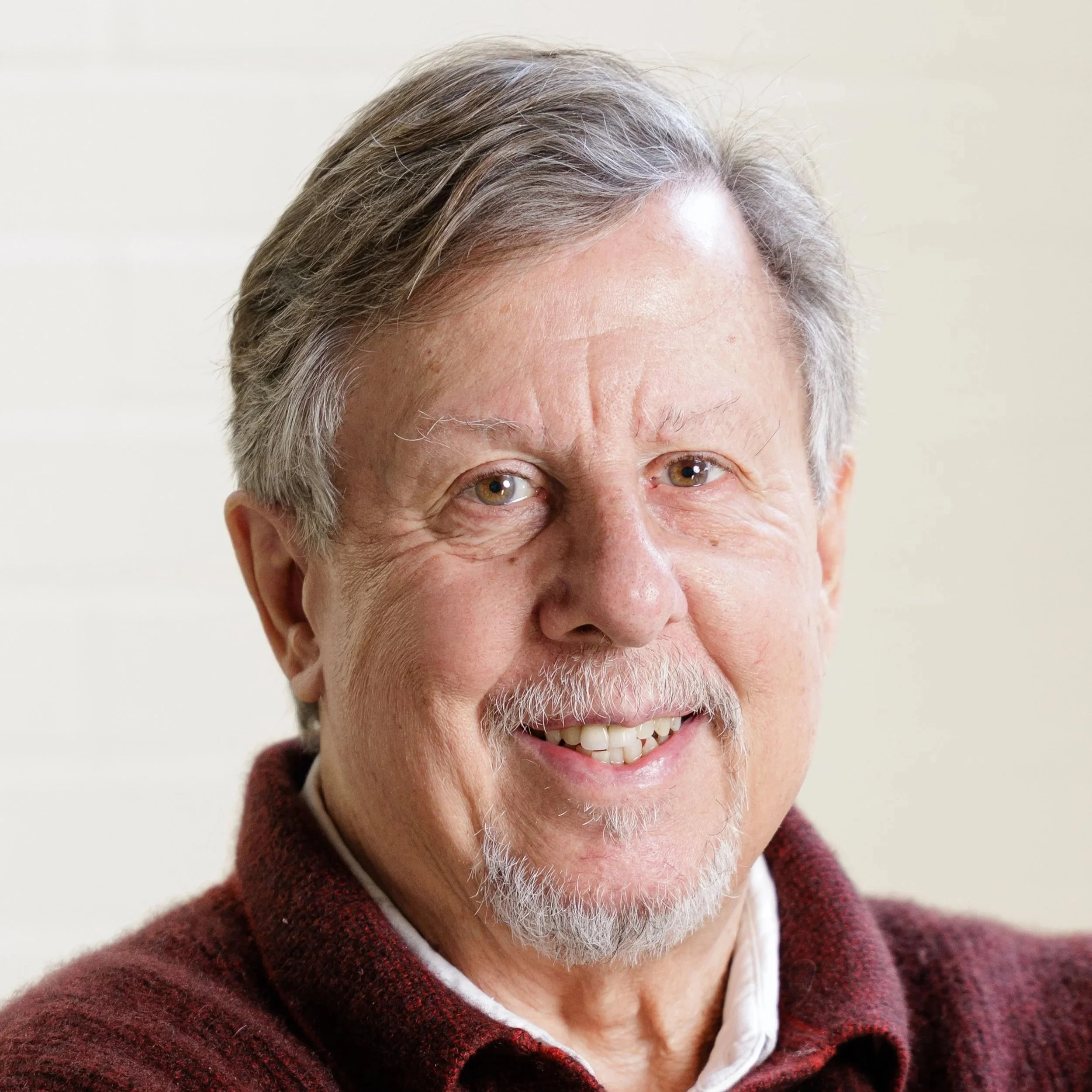
Richard C. Schwartz, PhD
Founder of the IFS Institute
Richard C. Schwartz, PhD, is the creator of Internal Family Systems (IFS), a therapeutic model with an emerging evidence base that depathologizes the multi-part personality. He is the founder of the IFS Institute, which primarily offers training for professionals, and a Teaching Associate in Psychiatry at Cambridge Health Alliance, a Harvard Medical School teaching affiliate. He has authored or co-authored more than ten books on IFS and related topics, including No Bad Parts and Internal Family Systems Therapy, and is a co-author of Psychedelic Medicine and Internal Family Systems (IFS) Therapy:
A Clinical Skills Manual (PESI, 2026).
David Lovas, MD
Panelist
Physichiatrist, Physcotherapist, and Writer
David Lovas, MD, is a psychiatrist, psychotherapist and writer. He co-wrote Psychedelic Medicine and Internal Family Systems (IFS) Therapy: A Clinical Skills Manual (2026) with Martha Sweezy, Richard Schwartz and Sunny Strasburg, and together they have taught workshops and co-led retreats. Formerly working in academia, Dr. Lovas received awards for his teaching and research at Harvard Medical School and Dalhousie University. Alongside his private practice, he is focused on translating science, IFS and depth psychology for a broader audience. He speaks and coaches internationally.
Sunny Strasburg, LMFT
Panelist
Founder, The Theradelic Approach
Sunny Strasburg, LMFT, is a licensed psychotherapist, educator, speaker and author who specializes in training clinicians. She is the founder of The Theradelic Approach, which equips clinicians with trauma-informed psychedelic-assisted therapy methods by blending Internal Family Systems (IFS), EMDR, archetypal psychology and trauma-informed care, as detailed in her book The Theradelic Approach. She co-authored Psychedelic Medicine and Internal Family Systems (IFS) Therapy: A Clinical Skills Manual with David Lovas, Martha Sweezy and Richard C. Schwartz. She has trained more than one thousand clinicians in The Theradelic Approach, and her work has been featured by Stanford University, NPR, SXSW, EMDRIA, Psychedelic Science and the IFS Conference.
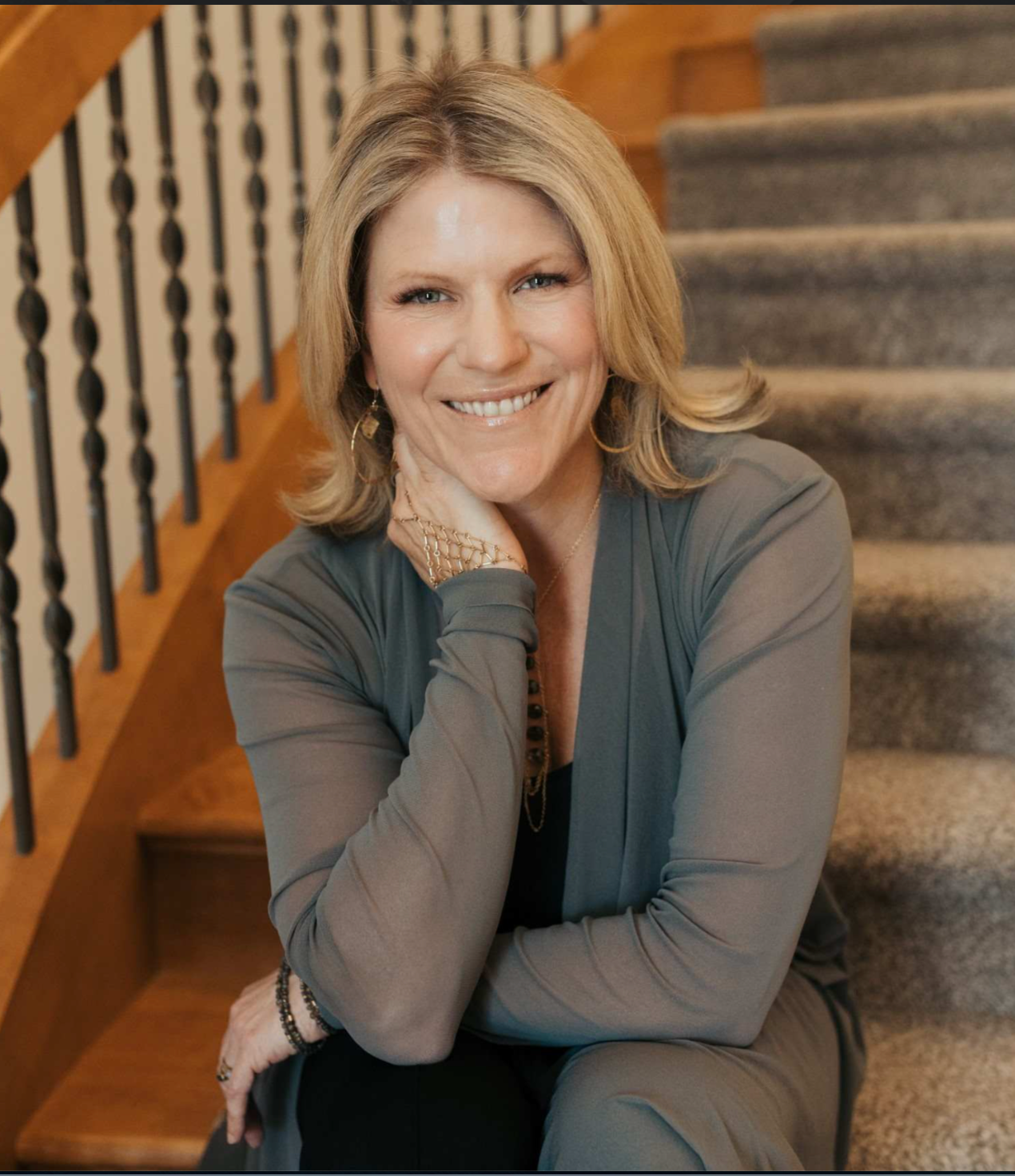
Chantelle Thomas, PhD
Moderator
Executive Clinical Director, Windrose Recovery
Chantelle Thomas, PhD, is a licensed clinical health psychologist, executive clinical director, educator, and researcher specializing in trauma, addiction, and psychedelic-assisted therapy. With over 13 years of clinical trial experience across diverse psychoactive compounds, she serves as a clinical researcher, trainer, and supervisor at the University of Wisconsin-Madison School of Medicine and Public Health. Her research background includes eight years as a study therapist, supervisor, and consultant on the MAPS Phase 3 clinical trials for MDMA-assisted psychotherapy. Dr. Thomas also serves as the Executive Clinical Director across Windrose Recovery, including The Manor residential treatment center, and is the founder and director of the Integrata Ketamine Assisted Psychotherapy program. Her clinical and scholarly writing centers on inner-directed therapy, relational ethics, somatic tracking, and the integration of traumatic adaptations within altered states of consciousness.

Ready to Take These Perspectives Into Your Practice?
Gain clinically grounded perspectives on using IFS to support preparation, navigate what emerges during psychedelic experiences, and approach integration with greater safety, structure, and care.
Frequently Asked Questions
-
This webinar is designed for licensed clinicians first: psychologists, social workers, counselors, marriage and family therapists, psychiatrists and psychiatric nurse practitioners. It's built for you whether your clients are already bringing psychedelic experiences into the room or you're still deciding whether this work belongs in your practice. Addiction professionals, IFS practitioners and integration specialists who work alongside licensed clinicians will find it useful too.
-
No. You don't need IFS training or any psychedelic-assisted therapy experience. The panel opens with IFS basics (parts, Self, and why parts tend to show up in psychedelic states) before moving into the medicines, preparation and integration. One thing to know going in: the focus is safety, preparation and integration. The session won't train you to administer psychedelic medicines, and their legal status varies depending on where you practice.
-
This Webinar is live, and takes place on Friday, November 6, 2026, from 11:30 AM – 1:00 PM EDT.
-
Yes, you will have continued access to the Webinar materials so you can revisit as needed.
-
Yes, this course offers 1.5 continuing education credit hours from APA, NYS, ASWB & IFS.
-
All webinar replay purchases are final.