

Foundations of Neurodivergent Affirming Practice
Breaking Free from Neurotypical Norms in Therapy with Kory Andreas
6 CE Hours (APA, NYS, ASWB)
$295 Course Fee
4 Live Bonus Calls Added!
June 5th
June 19th
July 10th
September 4th
Calls are 90min each and are scheduled to begin at 11am EST. Live calls do not offer CEs.
Course Description
Many autistic and other neurodivergent adults, especially those who are high-masking or late-identified, are missed, misdiagnosed, or treated with interventions that unintentionally increase shame, dysregulation, and burnout.
This self-paced course equips therapists with a neurodivergent-affirming clinical framework to recognize masking-disrupted presentations, understand sensory and nervous system needs, and adapt common psychotherapy approaches to better fit autistic processing.
Participants will learn practical accommodations for in-person and telehealth sessions, strategies for supporting diagnostic grief (“grelief”), and autonomy-supportive approaches for clients with strong demand-sensitivity (PDA profile).
The course concludes with case-based application, burnout differentiation and recovery planning, and ethical considerations for collaborative care and self-identification.
+ 4 New 90-minute Live Q&A Calls Added!
June 5, 2026
June 19, 2026
July 10, 2026
September 4. 2026
11:00am EST
Attendance not required for CEs & Replays available
Course Modules
-
Neurodiversity-affirming stance: medical vs social model and systemic barriers
Language and common non-affirming missteps in therapy
Evidence-based practice and practice-based evidence in neurodivergent care
-
High-masking patterns; masking-disrupted presentations
Gender/cultural considerations and common misdiagnosis patterns
Diagnostic grief (“grelief”) and therapeutic support
-
Mapping sensory triggers and impacts on therapy process
In-session and telehealth accommodations; sensory-friendly environment checklist
Regulation strategies for hyper-/hypo-arousal and trauma-like responses to unpredictability
-
Common overlaps: anxiety/OCD/trauma, RSD, interoception and eating-related concerns, substance use
Why traditional anxiety treatments (e.g., CBT) may misfit autistic processing
Adaptation strategies: pacing, framing, homework demands, communication preferences
-
Defining PDA-style demand sensitivity and common presentations
Why traditional behavioral approaches can escalate threat response
Collaborative, low-demand planning and autonomy-supportive language
-
Early signs of autistic burnout; differentiation from depression
Recovery planning and long-term prevention strategies (accommodations, scheduling, regulation)
Ethical considerations: self-identification, avoiding mislabeling/misinformation from social media
Redefining advocacy and interdisciplinary collaboration
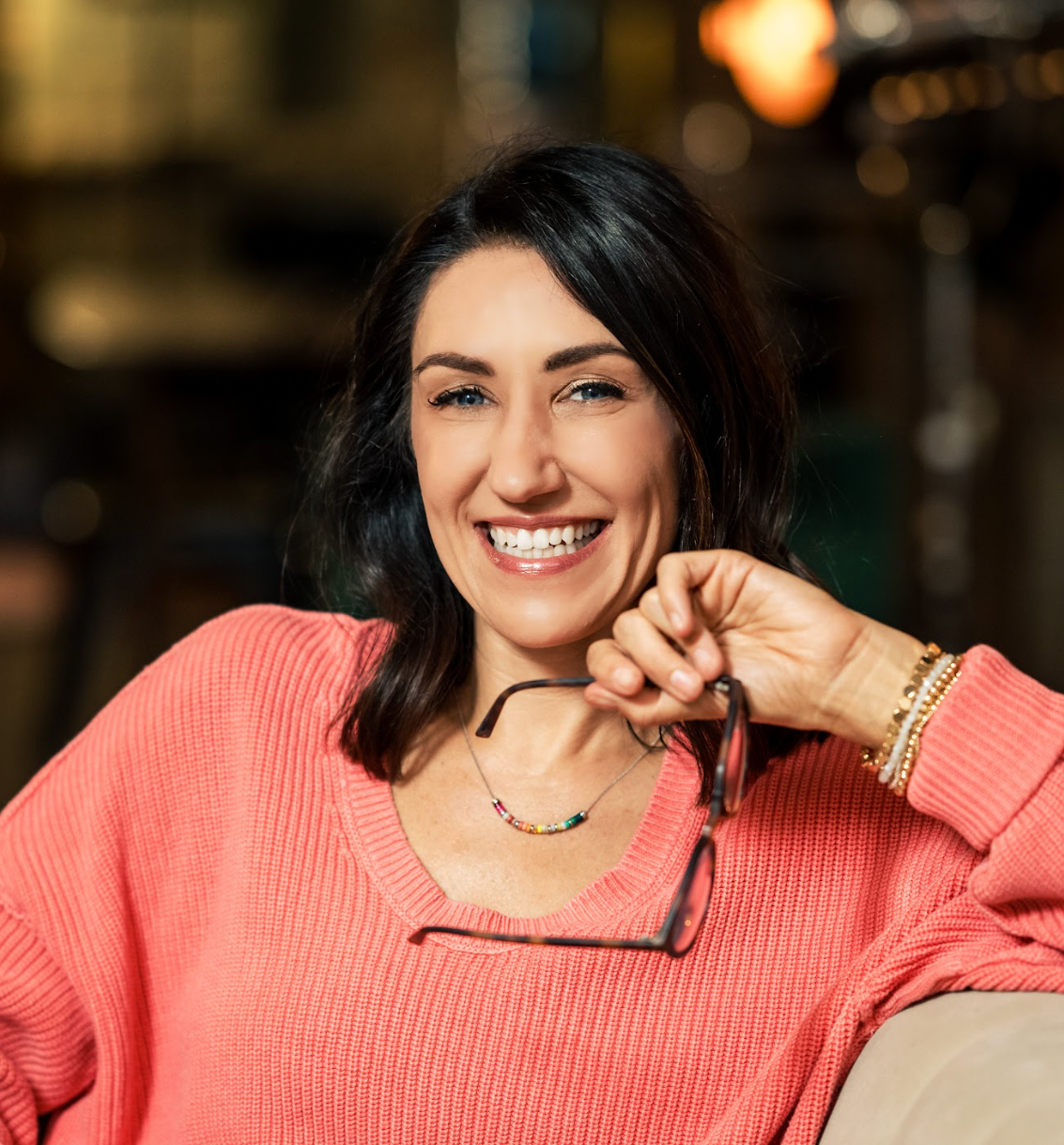
Meet the Instructor
Kory Andreas, LCSW-C, is a clinical psychotherapist and Autism specialist with extensive expertise in Neurodivergent-affirming care and education. With over 20 years of experience in therapy, supervision, and consulting, Kory is deeply committed to advancing affirming practices across therapeutic, educational, and workplace settings. She supports Neurodivergent and LGBTQIA+ individuals through diagnostic work, direct care, and systemic change efforts. Sought-after speaker on modern Autism and Neurodivergent relationships, Kory is known for translating clinical insight into engaging, relatable instruction. She provides dynamic, accessible psychoeducational content and consultation that promotes empathy, inclusivity, and practical strategies for supporting Neurodivergence across diverse environments.
Koryandreas.com
IG: @neurokoryous
Frequently Asked Questions
-
This course is designed for therapists and mental health professionals who want to deepen their understanding of neurodivergent-affirming care—especially when working with autistic and other neurodivergent adults, including high-masking and late-identified clients.
-
No. The course is appropriate for clinicians who are newer to this work as well as those looking to update their framework and align their clinical approach with neurodivergent-affirming best practices.
-
This course is self-paced and on-demand, so you can complete it on your own schedule.
-
You will learn how to recognize masking and late-identified presentations, understand sensory and nervous system needs, and adapt common psychotherapy approaches to better fit autistic processing. The course also covers practical accommodations for therapy sessions, diagnostic grief (“grelief”), demand-sensitivity (PDA profile), burnout differentiation and recovery planning, and ethical considerations.
Please refer to the course modules above for details on each learning module.
-
The course supports improved clinical recognition and understanding of masking-disrupted presentations, but it is not intended to replace formal diagnostic training or assessment protocols.
-
Yes, you will have continued access to the course materials so you can revisit key concepts and tools as needed.
-
Yes, this course offers 6 continuing education credit hours from APA, NYS, and ASWB.
-
Self-Paced Courses
All purchases are final unless otherwise stated. In limited cases, refund requests may be considered within seven (7) days of purchase, provided the course has not been substantially completed.